





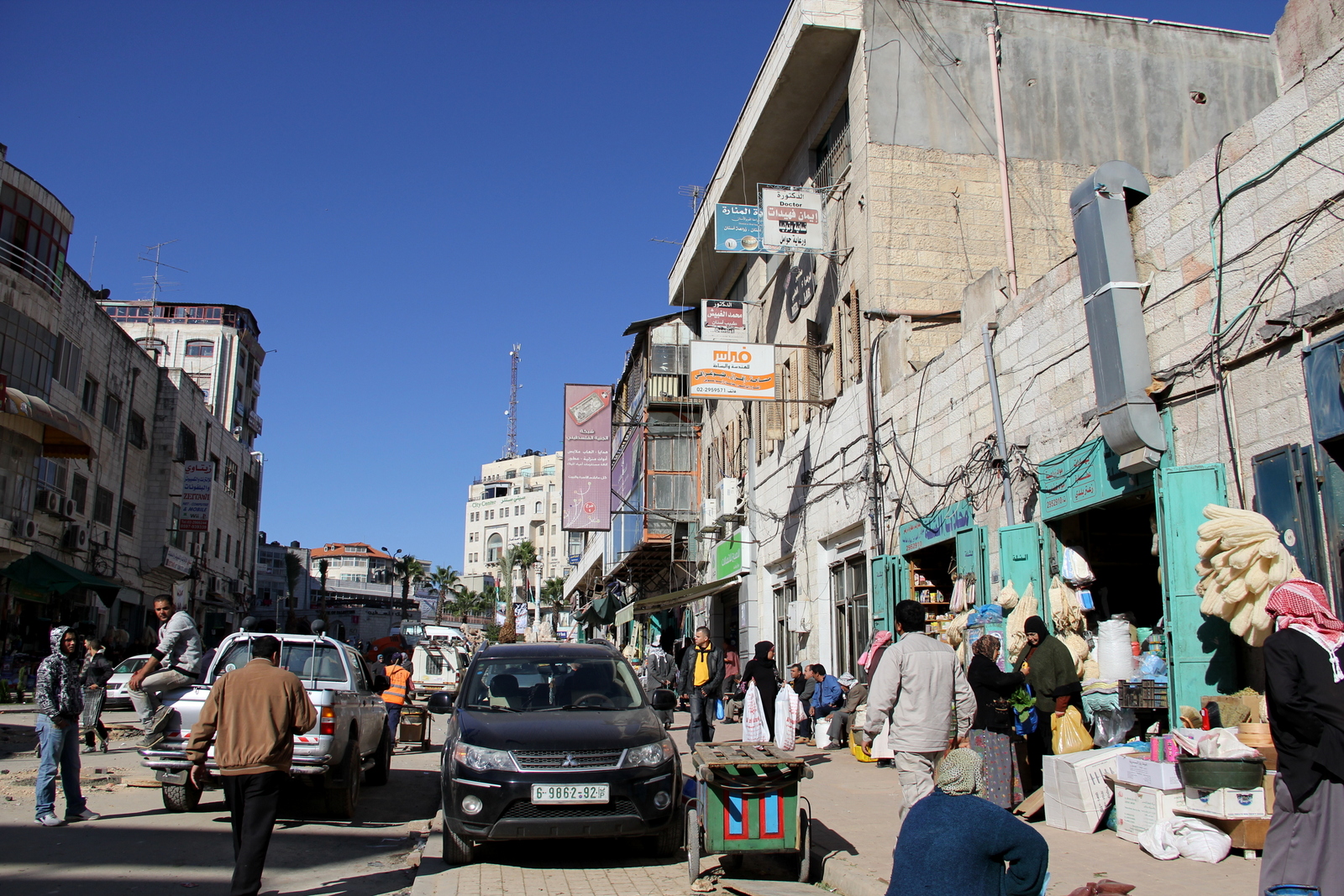
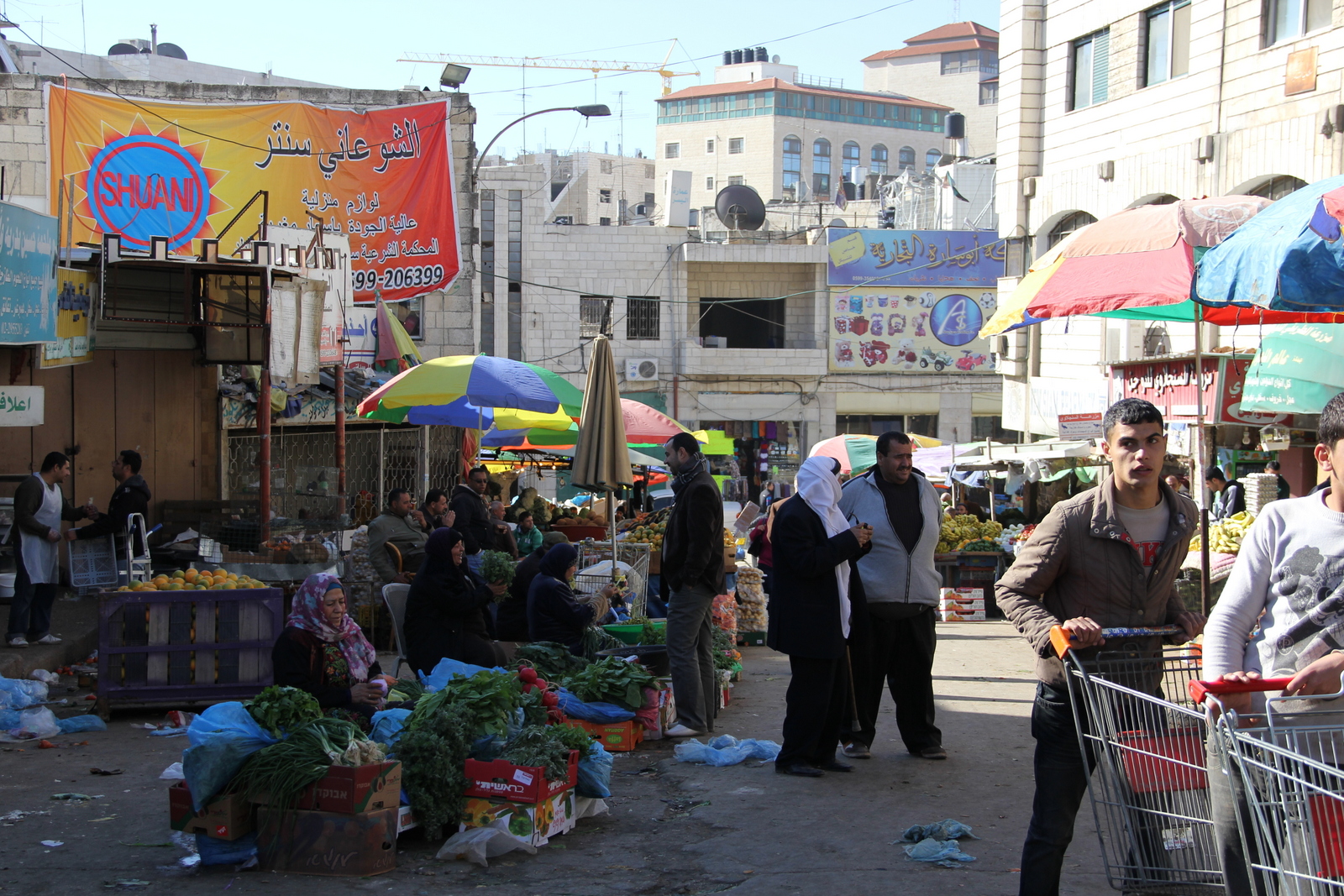
Around the central Hisbeh market.





Parkour in Gaza by Ali Ali
“I took this picture in Khanyonis town in the south of the Gaza Strip, in a graveyard. The subject of parkour attracts me, because it is very rare here and people are not familiar with it. These children are the only team that do this kind of sport. What I was really interested in was showing how they do it, and also how extremely happy they are despite being in a place of death, a graveyard – which seems the only place they can find joy. It is one of my favourite pictures because it is so surprising. It was a lovely moment.” Photograph: Ali Ali/EPA
From http://www.guardian.co.uk/artanddesign/interactive/2012/dec/25/best-photographs-2012-in-pictures


According to Israeli human rights group B’Tselem,* there are about 124 Israeli settlements in the occupied West Bank. In addition to this are around 100 informal “outposts.” All settlements are deemed illegal under international law, including all outposts, though unlike settlements, most outposts are not officially sanctioned by the Israeli government (key word: “officially”). There are many incentives for Israelis to move to settlements: though some move because they feel they are fulfilling a religious or nationalistic destiny, others are given financial incentives either directly by government bodies or because they simply cannot afford to live in cities like Tel Aviv or Jerusalem.
You can see settlements peppered throughout the West Bank (which is presumed to be under control of the Palestinian Authority, though you can see this is clearly not the case) on this map. The following pictures were all taken in the mid and northern West Bank, near Ramallah and up toward the Palestinian town of Nablus.
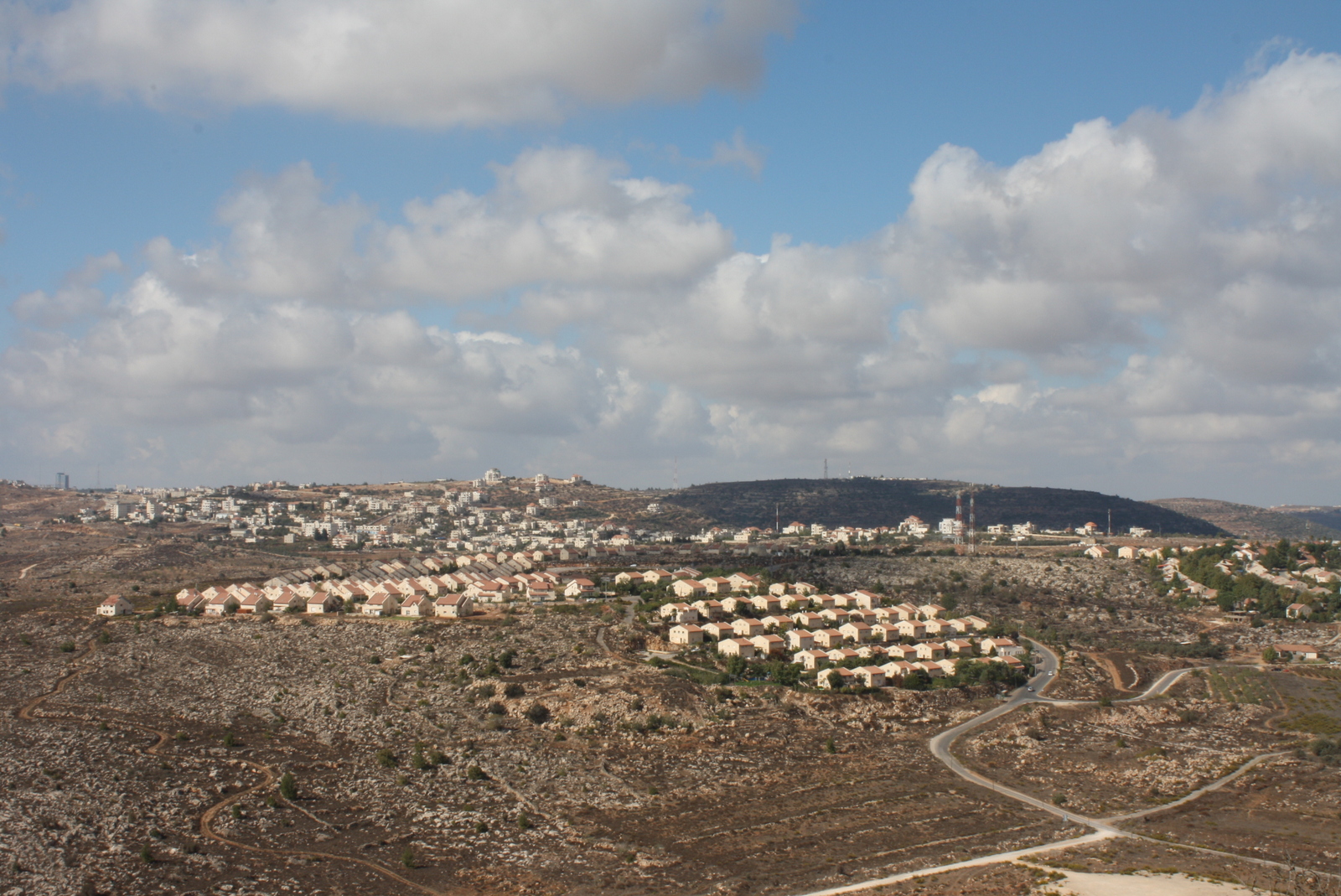
The settlement of Ofra, not too far north of Ramallah. Not all settlement houses look like carbon copies of each other, but these are particularly neat and uniform.

A nearby lookout point with views of the area. This sign is supposed to roughly show the location of nearby settlements. The text at the bottom asks, “Can you see the holy temple?” referring to the third and final temple that should theoretically, under Judaism, be built on the present-day Temple Mount in Jerusalem. Just behind the sign, you can see the informal caravans and structures that form the outpost called Amona.

Inside Ofra. The neat carbon-copy houses up close. I felt I could be in any number of suburban neighborhoods in the US. The streets were eerily quiet but for the occasional car or child on a bicycle.

A sign for the settlement of Kfar Tapuach (literally, “Appleville”), just south of Nablus. Fruit seems to be a recurring symbol on this day, as in one settlement, an over-sized grape statue graced a small roundabout near the entrance gate.

Kabir (“big” in arabic) Mountain
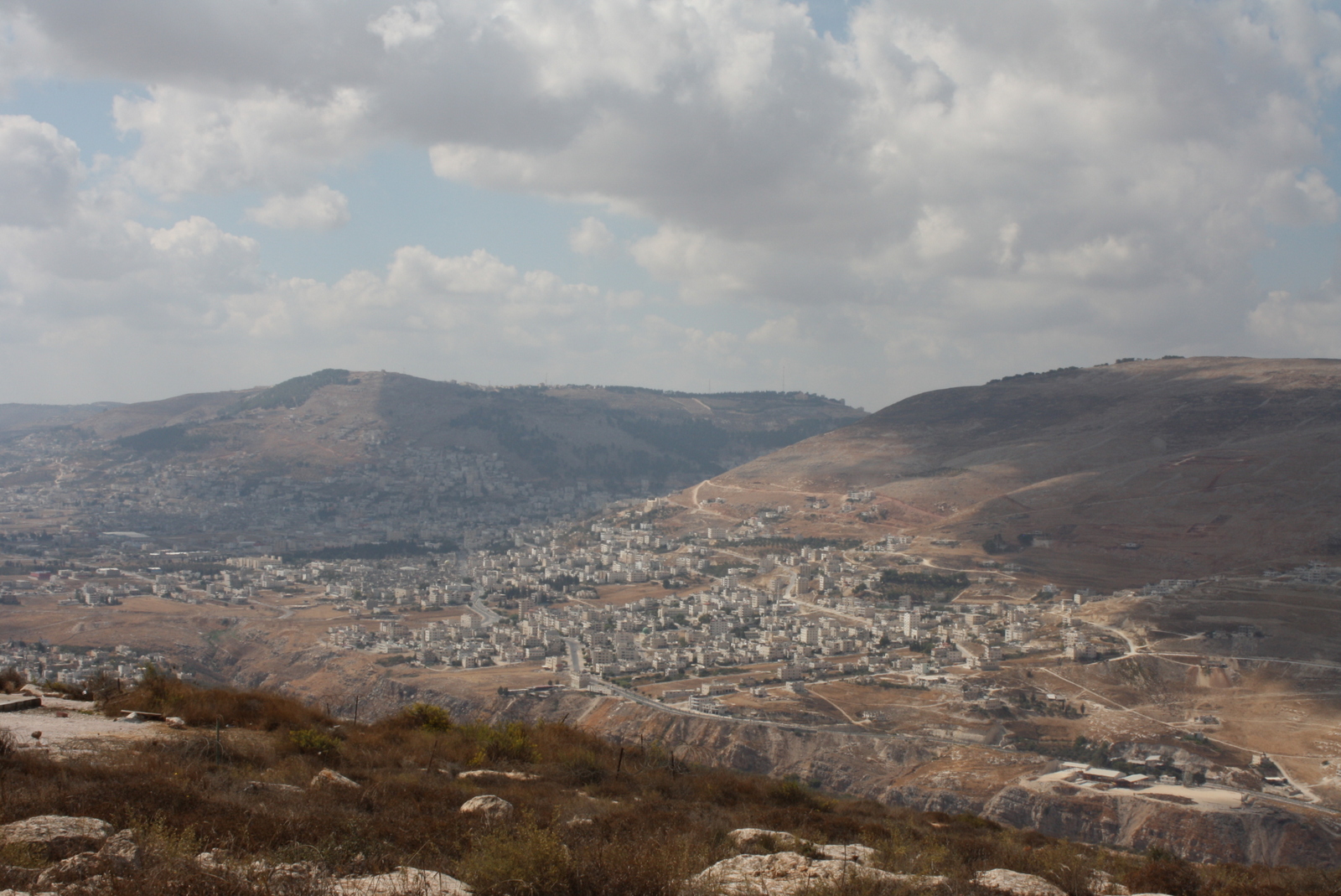
Palestinian village on the outskirts of Nablus.


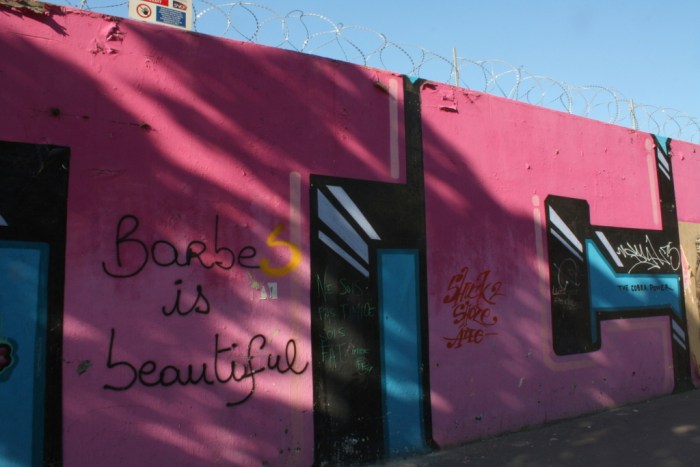
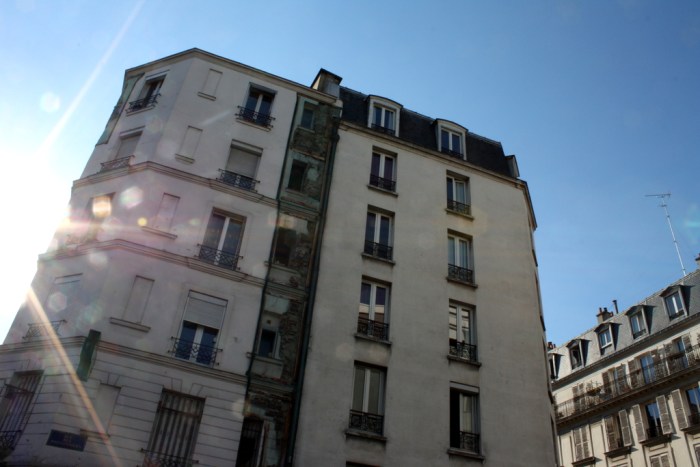
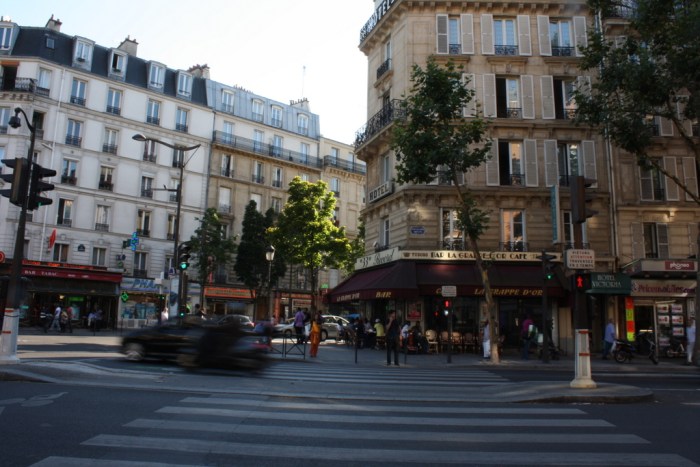

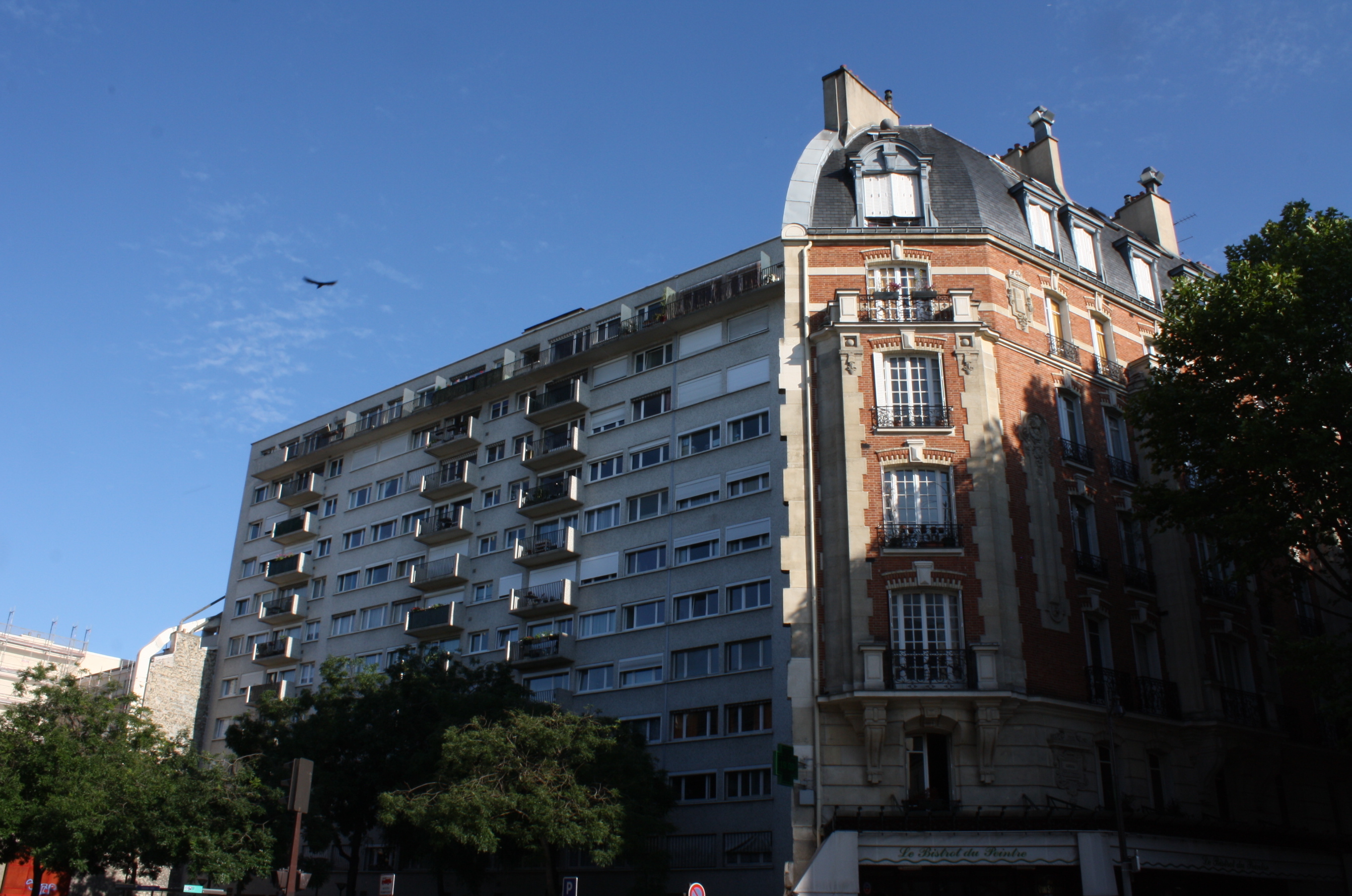
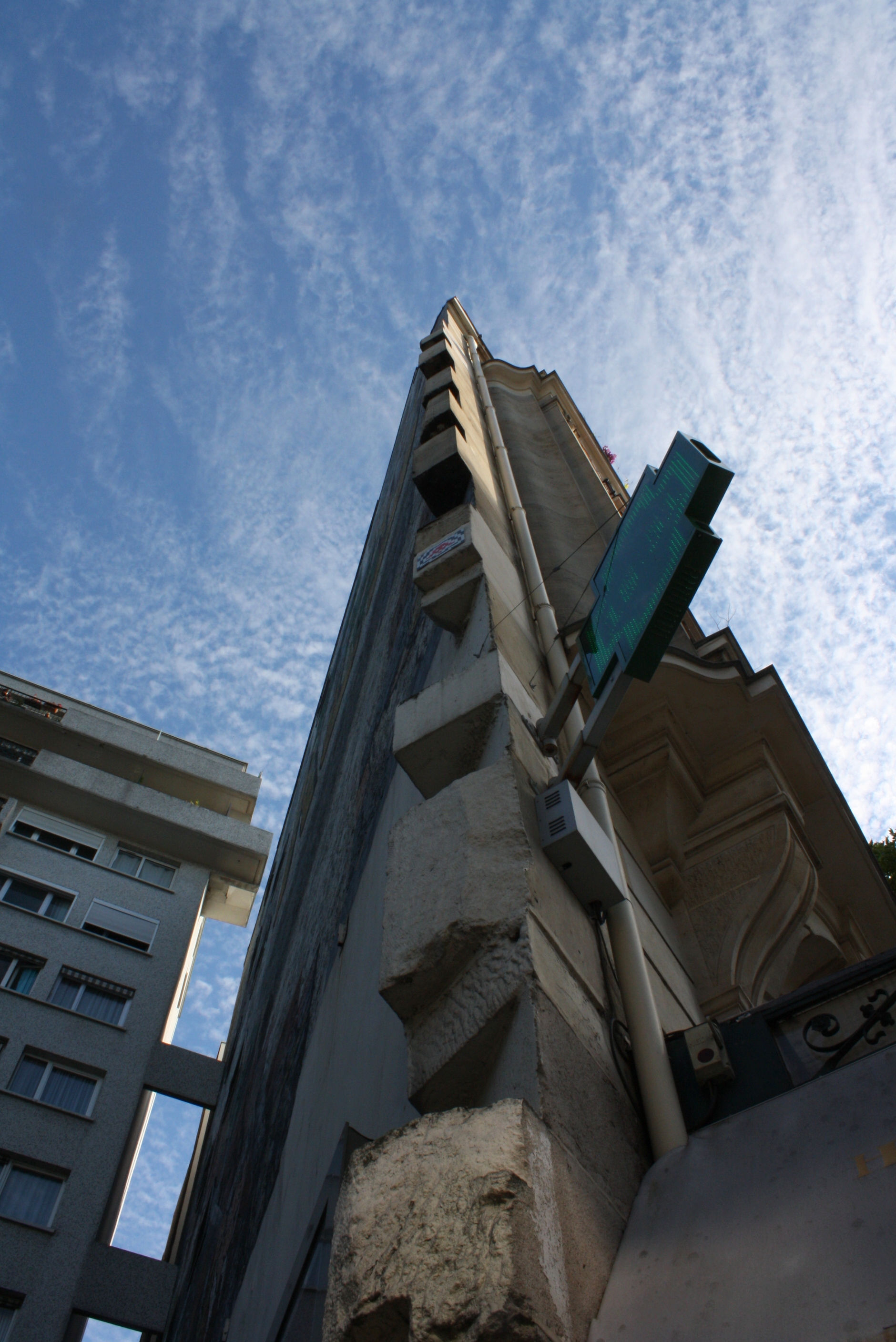
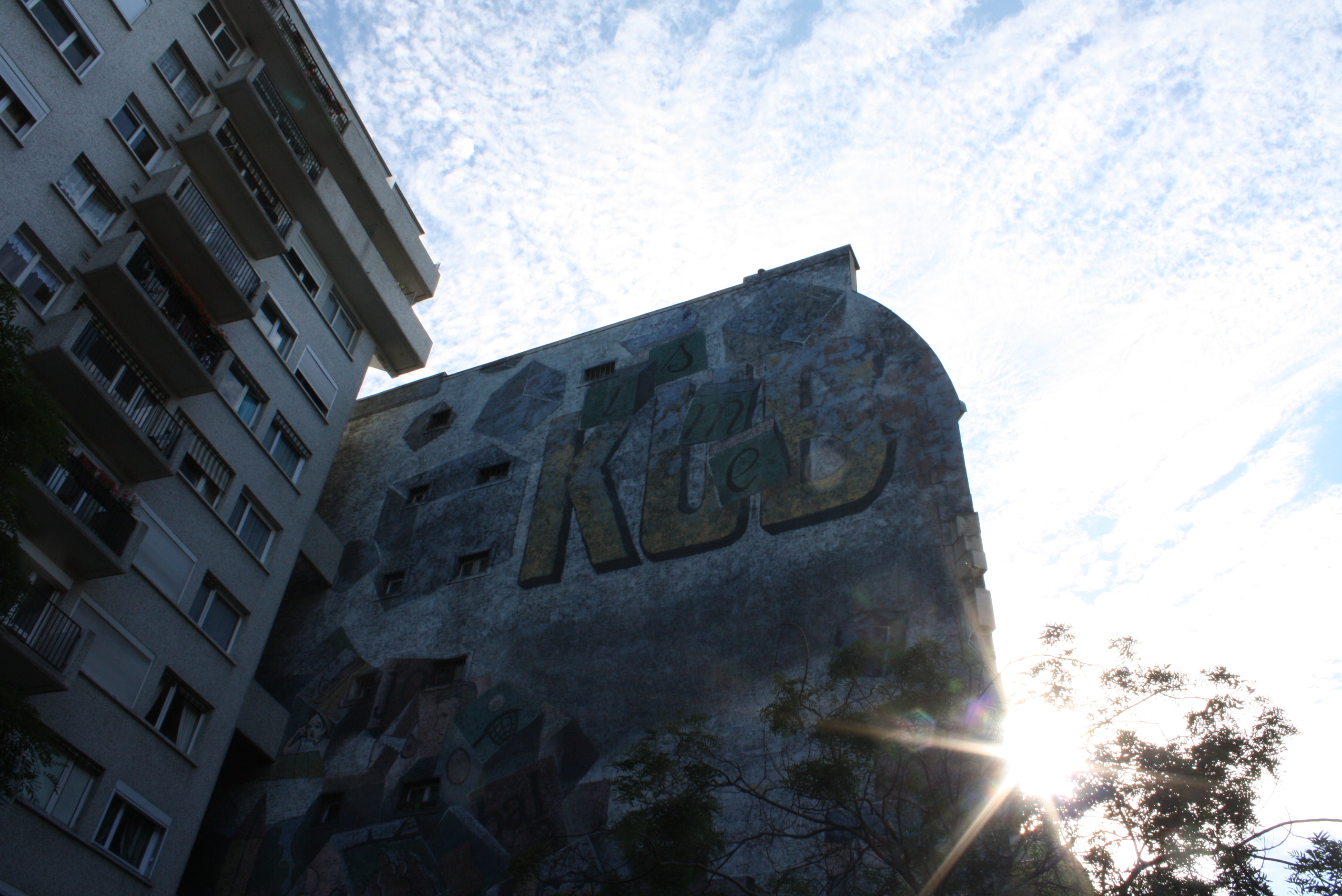
It’s safe to say I’m obsessed with this building. It looks like just another Parisian building from the front (albeit somewhat unique with the red brick), but then you turn the corner and it’s like someone cut it right down the middle with a steak knife. Of course, a giant mural graces the back wall and on the side, the building’s very own space invader. I imagine a corner bedroom in such a structure might be rather uncomfortable, but Parisian apartments are all about challenging your level of comfort. Like so much else in Paris, it’s both beautiful and perplexing.


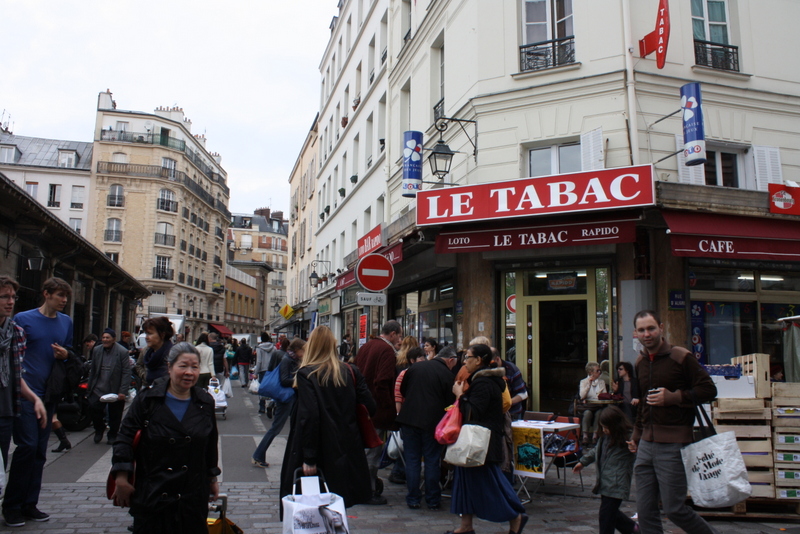
I was so fortunate to live most of my year in Paris around the corner from the Marché d’Aligre, one of Paris’ many outdoor produce markets but one of the (by my estimates) cheapest and most diverse, as well as one of the few that still runs everyday (except Monday). To get there from Bastille, walk East on the Rue du Faubourg St-Antoine for about ten minutes, and then turn right onto Rue de Cotte (my old street, incidentally). An immediate left, and you can’t miss it.

I knew it would be virtually impossible to capture the spirit of this market that I frequented so often with a camera but I finally decided to try anyway. I had that familiar experience that comes with suddenly feeling like a stranger in one’s own home–the way people treat you when you have a camera around your neck is utterly different than when you don’t. Some vendors recognized me as I’d been there many times, but one who was yelling “bienvenu!” to passersby yelled “les TOURISTES, bienvenu!” with an edge of sarcasm as he saw me. I turned and yelled sheepishly, “I live here!” but felt a bit stupid. So much for small victories.
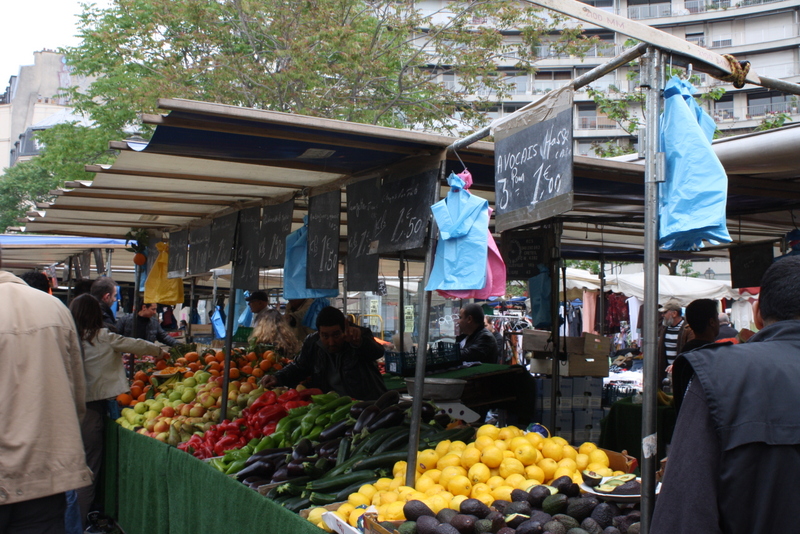
I had been disappointed that the weather looked so gloomy on the day I took pictures, but at the same time I know that’s a more accurate reflection of Paris. (Whenever Paris has sunny clear skies, something just doesn’t feel quite right.) It didn’t reflect the mood of the people, though. Parisians get the stereotype of being unfriendly–not so here. The mostly North African vendors laugh and joke with each other in between cries of “Yellah yellah yellah! Toute la table un euro!” The cheese shop vendors also have quite the sense of humor. Groups of friends congregate out in the Place and chat animatedly. The cafés in the area (especially Le Penty) are generally void of stereotypical snarky waiters. Smiles are not rare around here.


The marché might be my favorite Parisian institution–knowing where my food comes from and having a wide range of local or at least nearby options (like when I “settle” for Spanish avocados), and buying directly from farmers and producers without the supermarket-conglomerate middle man. And the Place d’Aligre represents much of what I loved about my neighborhood–namely, the sense of community. Besides a number of local shops and businesses (from Algerian to Portuguese to Chinese) on top of the daily market, toward the end of the Rue d’Aligre is the Commune d’Aligre–a community organization that organizes communal meals, hosts lectures and film screenings, and oversees the functioning of a nearby community garden. On one warm night, a visiting friend and I stumbled upon some kind of Russian dance party taking place after an outdoor dinner. It was around 11pm but young people, families, and children alike were dancing around on the Place d’Aligre. Of course, we joined in for a joyous ten minutes or so. Paris a cold, impersonal, big city? Nah, not if you know where to look.

A chaque jour, son marché – Paris markets by arrondissement: http://marches.equipements.paris.fr/
(Other favorites include Marché de Belleville and Marché Barbès)


 CITIES LIKE DREAMS