
Sound of the police
I just discovered that you can watch the entirety of La Haine (1995) on You Tube (so no need to spend a fortune on the Criterion Collection edition). So even though I’ve seen it a number of times, I feel compelled to watch it again. It is one of my favorite films of all time and one that embodies so many topics that fascinate me, as it is ultimately a film about exclusion from mainstream society and how this is reinforced in structural ways such as urban planning and police brutality. And of course, there’s no shortage of vulgar French slang and “Verlan,” a style of speaking that more or less inverses words: “femme” becomes “meuf,” “bizarre” becomes “zarbi,” “arabe” becomes “beur.” Verlan is completely unique to the Parisian region and though it started among immigrants and other marginalized populations of the banlieues, it has spread throughout the city and elsewhere, much to the chagrin of the Académie Française’s arbiters of the French language.
I love this scene, which begins with shots of people hanging out in the housing projects’ playground. The DJ Cut Killer points his speakers out the window and plays a mixture of Edith Piaf’s “Non, Je ne Regrette Rien” with NTM’s “Nique la Police” (Fuck the Police). How’s that for pastiche? (That is our completely gratuitous highbrow academic word of the day.)
Egypt: What’s different
The past couple weeks have been my first in Cairo since the January 25th revolution. As soon as I arrived I was eager to identify tangible changes in a city I used to know more than any other. (Of course, not all changes are tangible.) So what follows is a list, in no way intended to serve as substantial political analysis, of just that. It is a list based completely on my own observations and some anecdotal evidence, but if you know me then you know where I’m coming from, and this list might help you to understand Egypt how I see it, as well as Egypt as it is, a tiny bit better.
1. Election posters.

The very fist thing that was obviously different to me, that I noticed on my first walk outside my parents’ apartment in Zamalek, were these election posters pasted over walls everywhere. Since this is a country that had not had “real” elections in decades, posters like these are completely out of place to me. Before, if anyone’s face graced public spaces, it was Mubarak’s. Though when I visited exactly two years ago, we also spotted a couple posters of Gamal Mubarak, the President’s son, who was repeatedly described in the foreign press as being “groomed” to replace the sickly Hosni. I remember the ominous feeling that gave me, the prospect of this cruel dictatorship continuing as before with a newer, younger face, a prospect that pleased no Egyptian that I knew.
This time around, I’ve seen Mubarak’s face I believe a total of three times, and in no positive context–primarily in graffiti critical of his regime. Today, it is faces of anonymous Egyptian citizens-women included–that cover the walls of the city.
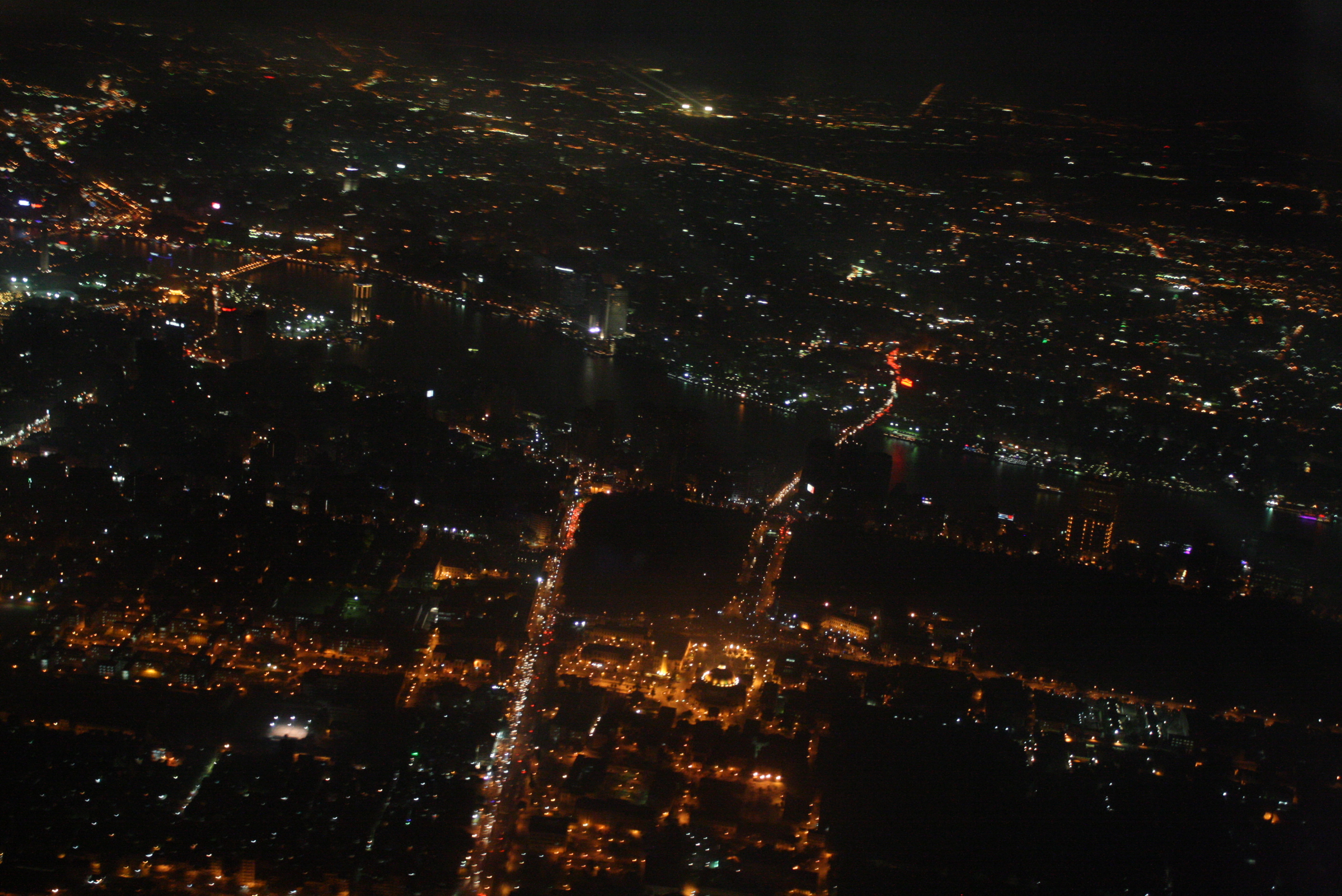
One of my favorite parts of flying into Cairo–all the lights of the city stretching out as far as the eye can see. That and the unmistakable Cairo smell as you step off the plane.
Tahrir burns
Tahrir Square remains the center of revolution in Egypt as protests against military rule continue at nearby cabinet offices. At least nine have died and over 300 have been injured in violence against civilians. Incredible photos like the one below by Lazar Simeonov at Al Jazeera.

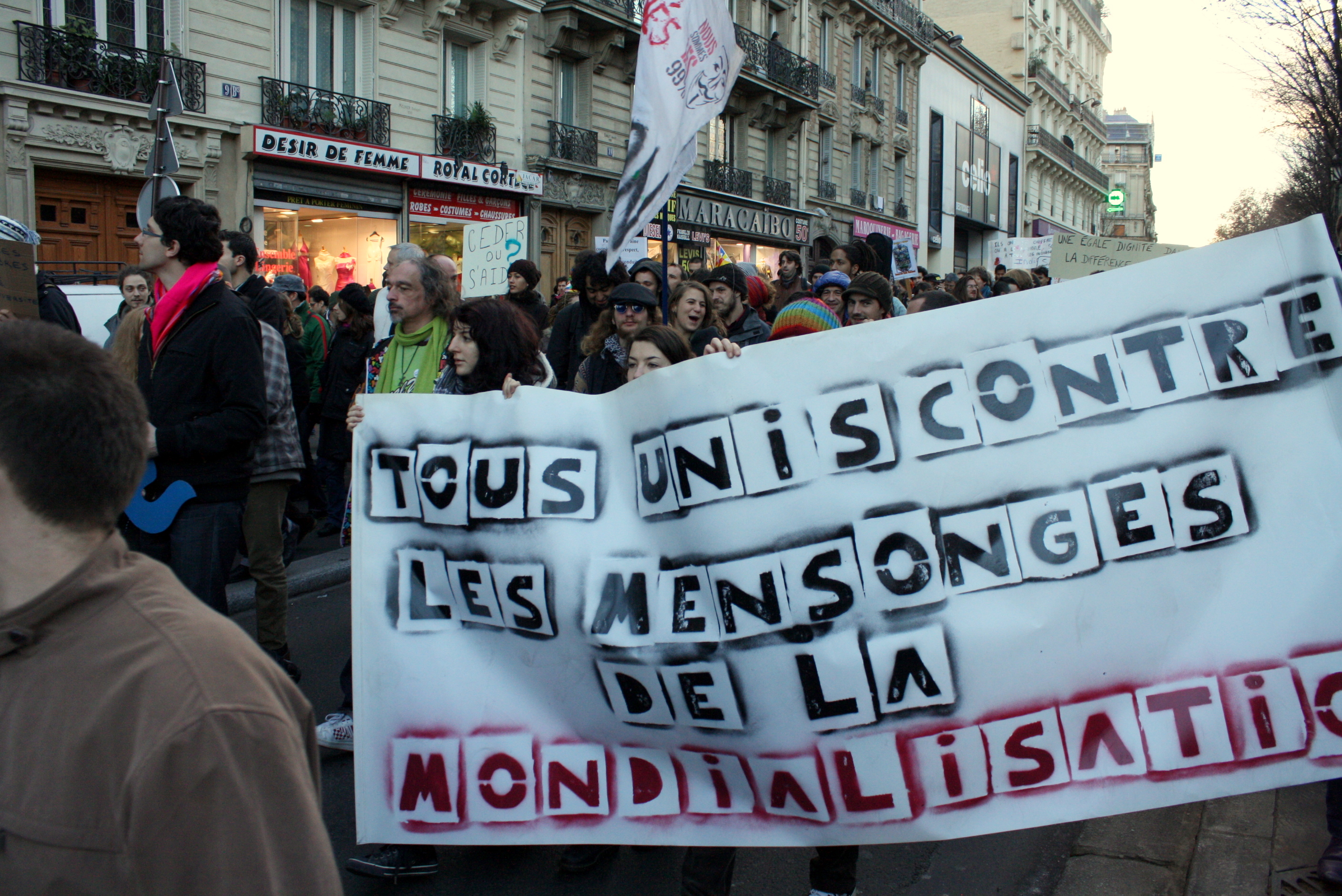

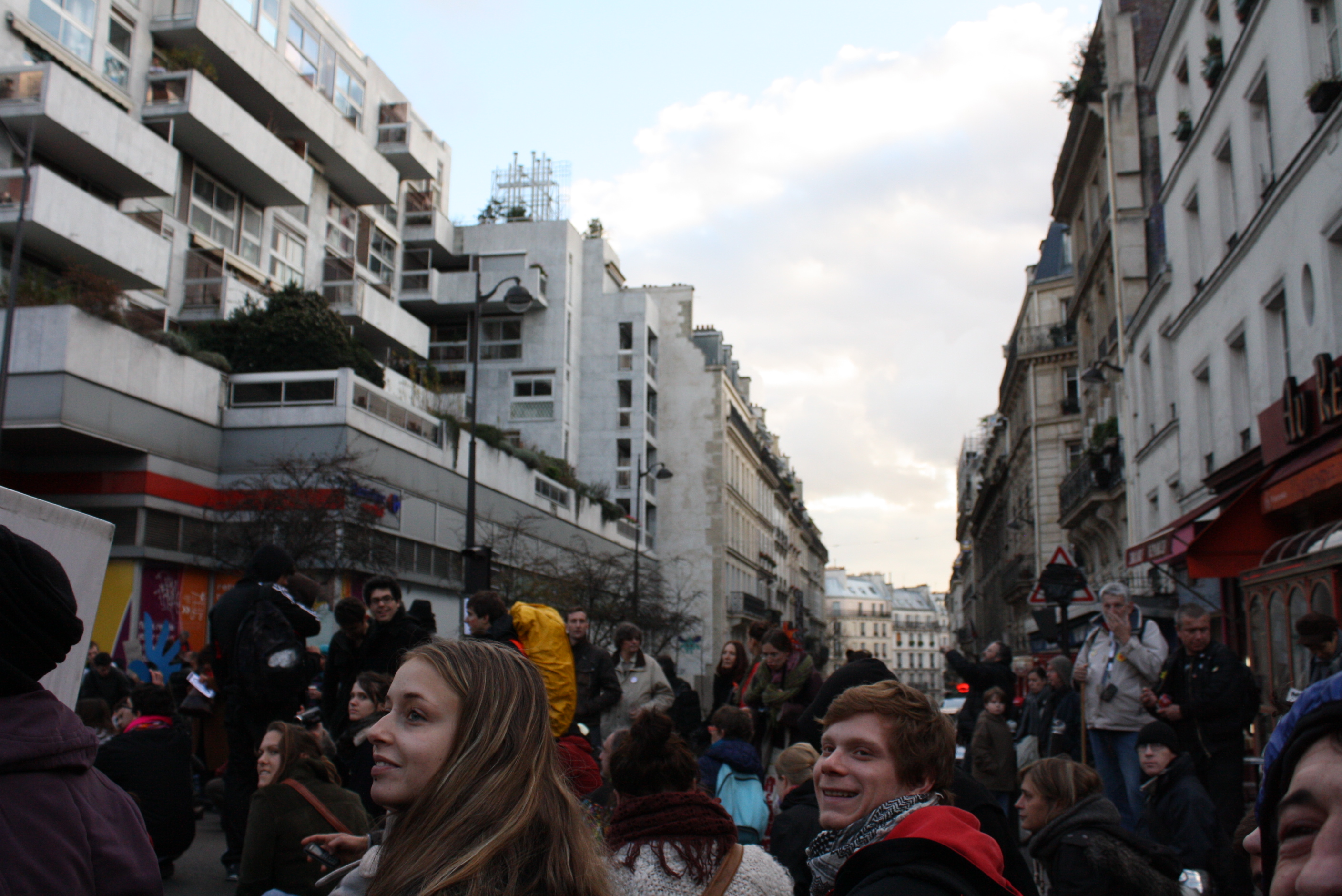

“The river is still swollen, muddy, streaked with lights. I don’t know what it is rushes up in me at the sight of this dark, swift-moving current, but a great exultation lifts me up, affirms the deep wish that is in me never to leave this land. I remember passing this way the other morning on my way to the American Express, knowing in advance that there would be no mail for me, no check, no cable, nothing, nothing. A wagon from the Galeries Lafayette was rumbling over the bridge. The rain had stopped and the sun breaking though the soapy clouds touched the glistening rubble of roofs with a cold fire. I recall now how the driver leaned out and looked up the river toward Passy way. Such a healthy, simple, approving glance, as if he were saying to himself: “Ah, spring is coming!” And God knows, when spring comes to Paris the humblest mortal alive must feel that he dwells in paradise. But it was not only this–it was the intimacy with which his eye rested upon the scene. It was his Paris. A man does not need to be rich, nor even a citizen, to feel this way about Paris. Paris is filled with poor people–the proudest and filthiest lot of beggars that ever walked the earth, it seems to me. And yet they give the illusion of being at home. It is that which distinguishes the Parisian from all other metropolitan souls.”
–Henry Miller, Tropic of Cancer, 1934


La Défense
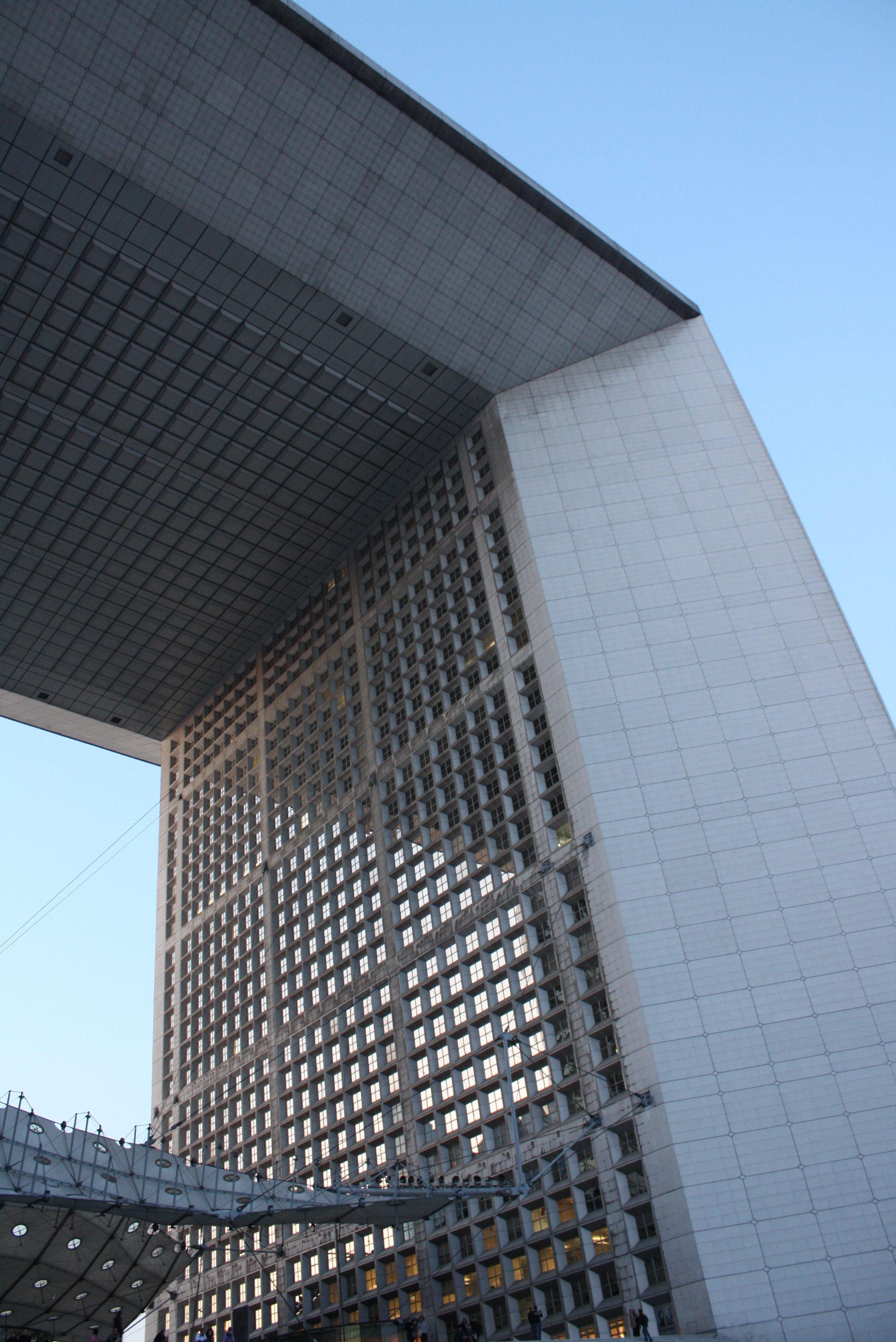
It’s not in the news, barely even in French news, but there is an Occupy encampment here in Paris. It’s just not at Hôtel de Ville. It’s at La Défense, Paris’ main financial district on the Western edge of the city that emerged in the 70s and 80s and is now the largest purpose-built business district in Europe. The district completes the Westernmost end of the Axe historique, which is a straight line leading from the Louvre through the Champs-Elysées, the Arc de Triomphe and ending at La Grande Arche, the iconic modern monument of La Défense. Originally, the axe historique allowed the King a grand vista from the Louvre (his palace) straight to the Western end of the city.
It was there that I went last weekend to attend the general assembly of Occupons La Défense. I had never been to La Défense before, always being vaguely curious about its famous architecture, so as I first stepped off the metro I was immediately struck by the enormity of La Grande Arche, and the glitz of the surrounding financial buildings. Considering Paris is one of the most well-preserved European cities, with countless buildings and cathedrals hundreds of years old and only one skyscraper, this modern outpost could be Paris’ polar opposite. According to Wikipedia, construction of La Grande Arche began in 1985 after Danish architect Johann Otto von Spreckelsen and Danish engineer Erik Reitzel won a design competition initiated by then-French president François Mitterand. Apparently, they intended the monument to serve as a 20th-century version of the Arc de Triomphe, honoring humanity and humanitarian ideals rather than military victories. Of course, the building was inaugurated with grand military parades at the bicentennial of the French Revolution. And looking at it today, the stark grey and silver angles of the structure remind me of anything but “humanitarian ideals.”
Continue reading “La Défense”


 CITIES LIKE DREAMS
