RIP Adam Yauch
Category: Cities Like Dreams
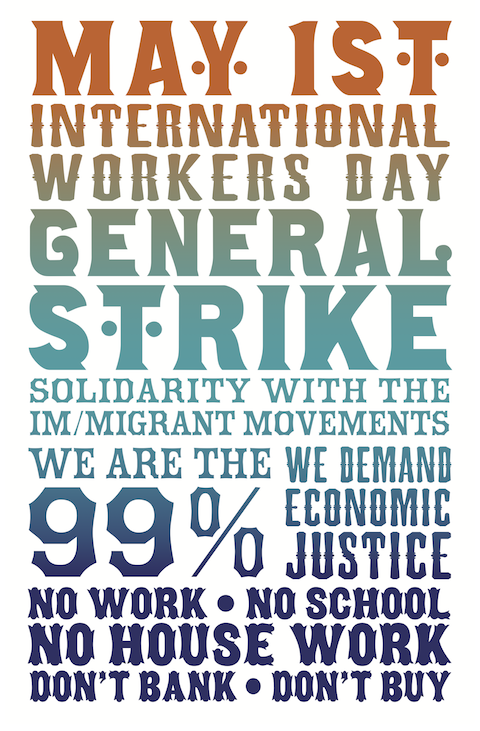
May Day

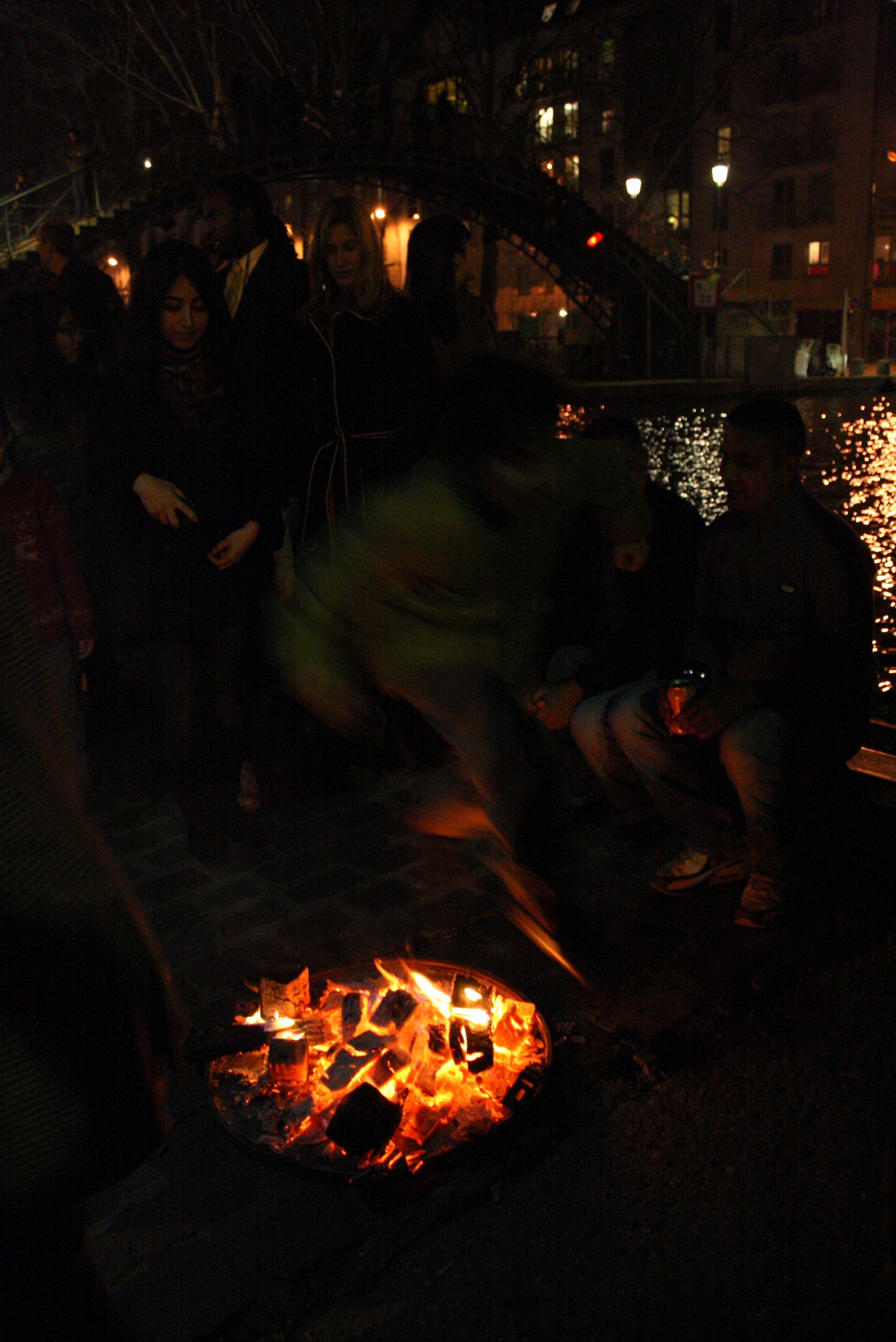
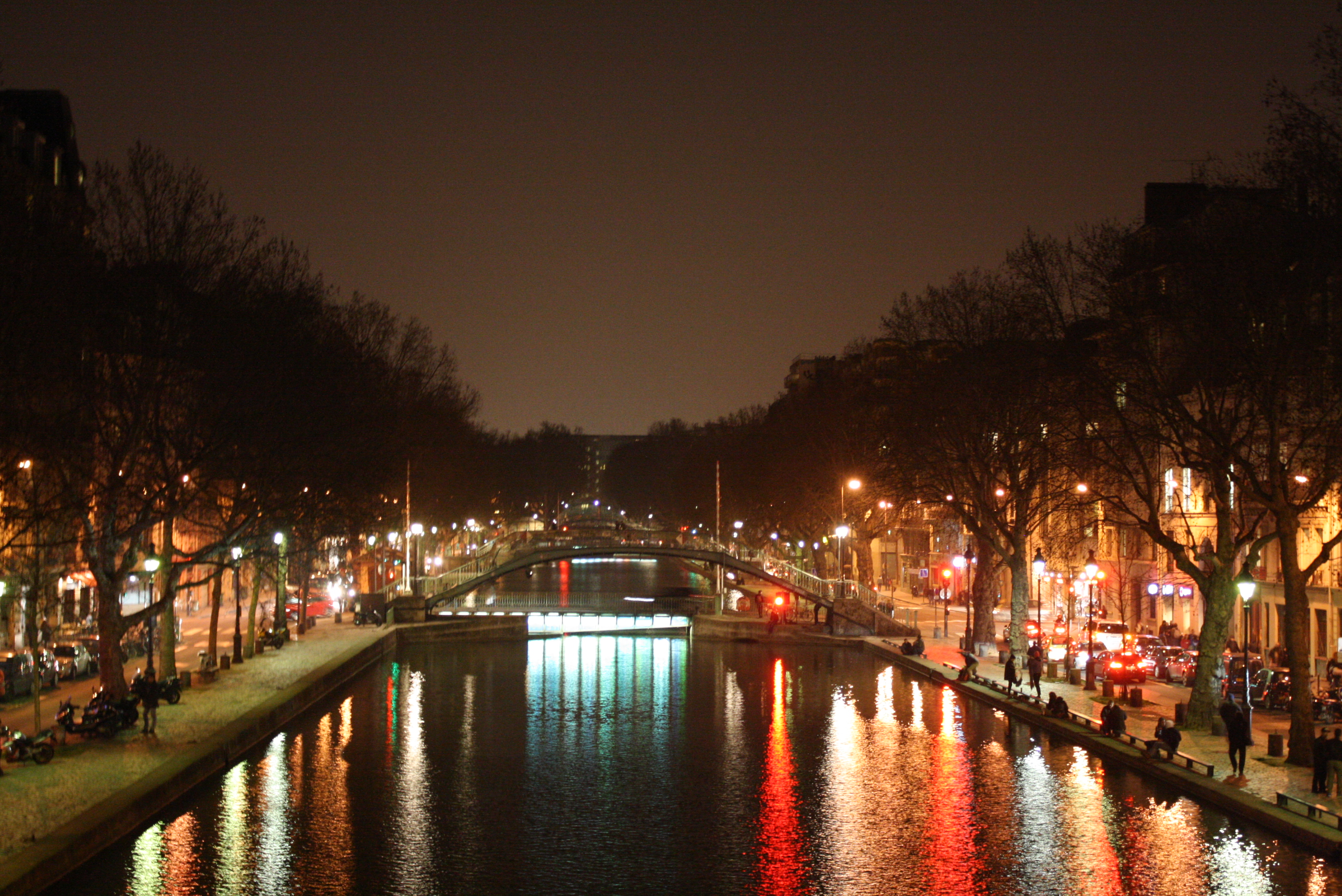
“He had a theory about it. It happened, and re-happened, because it was a city uninterested in history. Strange things occured precisely because there was no necessary regard for the past. The city lived in a sort of everyday present. it had no need to believe in itself as a London, or an Athens, or even a signifier of the New World, like a Sydney, or a Los Angeles. No, the city couldn’t care less about where it stood. He had seen a t-shirt once said: NEW YORK FUCKIN’ CITY. As if it were the only place that ever existed and the only one that ever would.”
Colum McCann, Let the Great World Spin, 2008
Small towns, slow food
Because I clearly needed a vacation from my already vacation-like life, I took a train to Italy last month to visit Maria, an old friend from Oakland and Berkeley who is currently studying gastronomy in Pollenzo (the birthplace of the “Slow Food” movement).
Maria and most of her other culinarily-inclined friends live in a nearby town called Bra. I’ve visited the large urban tourist destinations in the rest of Italy (e.g. Rome, Venice, Florence) but I was looking forward to spending time in a more anonymous small town. I was not disappointed—the uniqueness of its location (in the Northern Italian region of Piemonte) was evident from the start. I arrived at the surprisingly run-down station of Torino Porta Susa, which included hole-in-the-floor “restrooms,” and somehow figured out how to purchase a second train ticket to Bra from a machine that was yelling at me in heavily-accented English while a gypsy asked me for money. I didn’t know you had to punch your ticket before getting on the train (what is this, the 1950s??) and there was no sign telling me to do so, but luckily I was never asked for my ticket on this particular ride. The train itself was nice, but where was the detailed map indicating the route of the train and all the serviced stops? Clearly, I was not in Paris anymore. Luckily Bra was the terminus of the train, otherwise I would never have known where to get off—almost none of the deserted-looking stations we passed had any signs on them whatsoever. But after about 45 minutes of staring at the regal, awe-inspiring Alps in the distance with only a vague uneasiness as to where on Earth I was, I arrived at my destination. And it was well worth the effort. Bra is beautiful, quiet, charming…adorned with gorgeous buildings, cobblestone streets, and a few central stylish cafés.







Continue reading “Small towns, slow food”
Underground Paris
[from November 2011]
Notes from Meaux-town*
Every Monday and Tuesday I wake up around 6am, get ready and head to Gare de l’Est, from which I take a train to Meaux, a small town of around 50,000 people East and slightly North of Paris. This is where I spend two days teaching English to around 14 primary-school classes of children aged anywhere from 6 to 11. Notice I say “teach”—while I have no teaching credential and am supposed to be an “assistant” who merely helps the teachers with their English lessons, offers the correct pronunciation of words, maybe plans a few activities, the program and schools themselves are highly disorganized when it comes to English and so somehow I am essentially the English teacher.
Meaux is a town with a large immigrant population and an allegedly racist mayor. Besides a vaguely quaint town center with a cathedral and a somewhat substantial reputation for Brie and mustard, there’s not a whole lot to report on. When I arrive at the train station I hop on a bus and bypass the center anyway, heading instead for the neighboring industrial zone. This is where my schools are located, surrounded by housing projects. This doesn’t have the same connotation as “the projects” in the US do, but it does feel a million miles away from Paris. More than anything, it can feel dreary and rather deserted. The teachers, not knowing that I was placed in the town by the teaching assistant program, have asked me confusedly, “but why did you choose Meaux?” Riding the bus here I feel totally anonymous, and an English title on the book I’m reading will generally get me a few looks. It’s a complete contrast to cosmopolitan life-as-spectacle Paris, and that’s one reason I’m grateful for the experience.

Though Meaux doesn’t feel as “cosmopolitan” as Paris, ironically my schools represent a sort of mini-multicultural utopia that Paris could only dream of coming close to. The students have more diverse origins than anywhere I’ve ever seen: North and West Africa are probably the most commonly represented, but there’s also Yemen, the Congo, Pakistan, Bangladesh, Portugal, Poland, Greece, French territories (like Martinique, Réunion, and French Guyana), Romania, China…and that list probably doesn’t even cover it. One lesson the kids loved was learning how to pronounce these countries in English.
Continue reading “Notes from Meaux-town*”
C’est cela, oui
So these “Shit ________ say” videos are getting completely out of control, and for the most part are not funny at all, but I couldn’t help falling in love with this one when my roommate showed it to me. I have no idea if a French person (or really, Parisian) would agree, but most of the phrases an mannerisms in this video are pretty right-on from what I’ve observed and experienced. You can detect his (American or Canadian?) accent in moments, but he’s got the timing and intonation almost perfect. Since I too have a penchant for accents and slang and pretending-to-be-french, I’d really like to find this guy and be friends.






Dickensian Paris
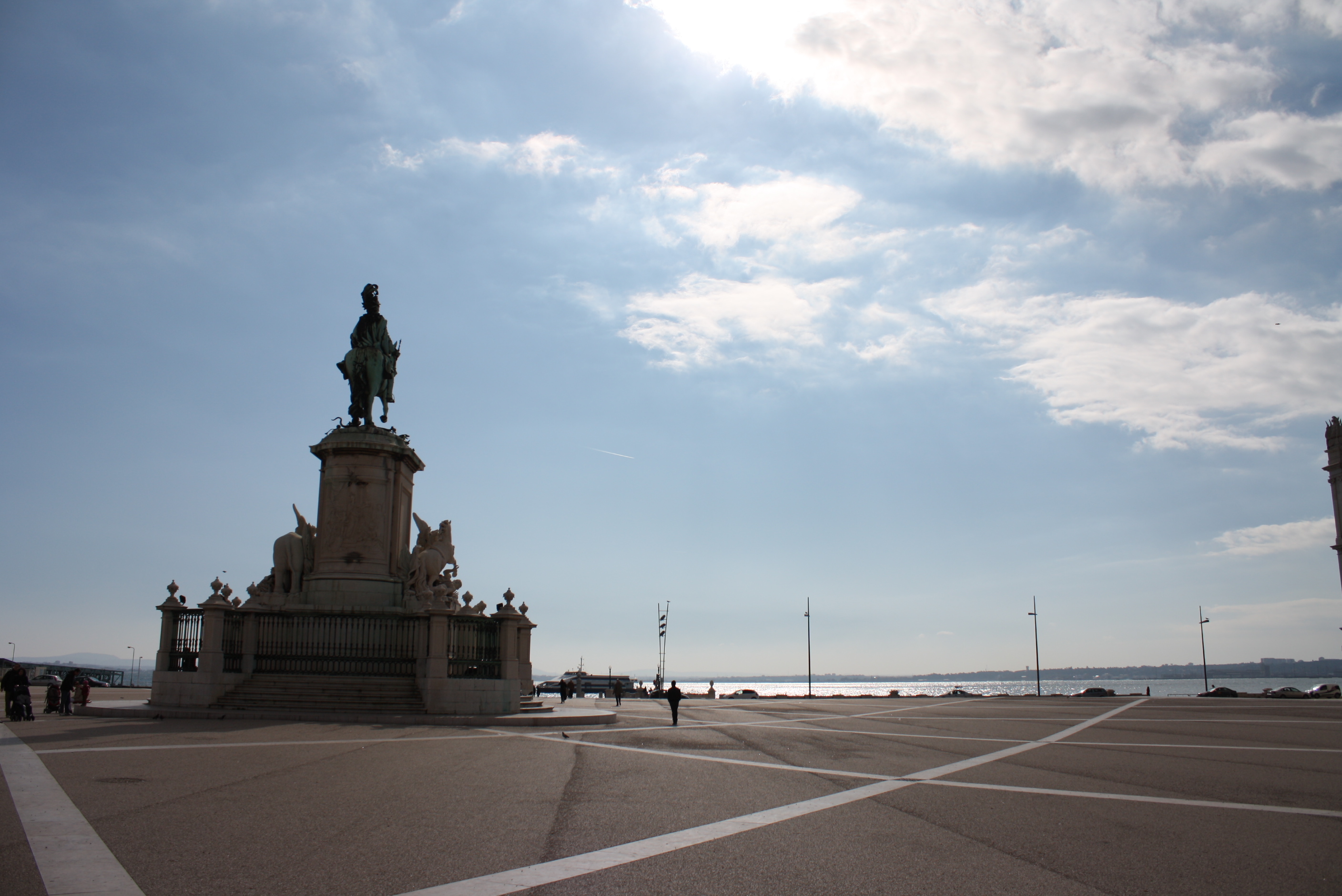
The wine was red wine, and had stained the ground of the narrow street in the suburb of Saint Antoine, in Paris, where it was spilled. It had stained many hands, too, and many faces, and many naked feet, and many wooden shoes. The hands of the man who sawed the wood, left red marks on the billets; and the forehead of the woman who nursed her baby, was stained with the stain of the old rag she wound about her head again. Those who had been greedy with the staves of the cask, had acquired a tigerish smear about the mouth; and one tall joker so besmirched, his head more out of a long squalid bag of a nightcap than in it, scrawled upon a wall with his finger dipped in muddy wine lees—BLOOD.
-Charles Dickens, A Tale of Two Cities, 1859
It feels like people don’t read Dickens much anymore—at least I can’t remember anyone I know recently having read him. The last I remember was everyone having to read Great Expectations in high school and hating it (since I enrolled in my high school late I somehow avoided reading it). In the mood for some classic literature over the holidays, I decided to remedy this mysterious Dickens absence with A Tale of Two Cities, which I chose due to its relative brevity and its subject matter—London and Paris around the time of the French Revolution. I wasn’t disappointed: because the novel was written in installments for a newspaper, Dickens uses common literary devices such as plot twists and cliffhangers, and the characters are rich and complex despite the short amount of time taken to develop them (though the central young female character is an annoying idiot who faints due to overwhelming happiness/sadness depending on what is happening to the various men in her life. Naturally.) But the best part is how the cities themselves act as characters in the novel—Paris of course being the bloodthirsty unstable force that pulls the characters towards it and forces them to unleash their suppressed guilt/rage/heroism…and that threatens to behead you at any moment. Yeah, pretty awesome.
I adore how Paris is introduced in the novel, with a scene in which a cask of wine is accidentally spilled in the street, and every man, woman, and child in sight struggles to drink the wine directly from the ground lest it be wasted, cupping hands to bring up wine and mud from in between the cobblestones in a hungry frenzy that culminates in the wonderful foreshadowing passage above. Given the overwhelming decadence of today’s Paris, where the satisfaction of every sense is available on every corner, there is always a certain fascination that comes with reading about the periods in Parisian history when the city was under siege or on the verge of revolution, when people were driven to survive by eating rats, or something of that nature. This is more the sort of portrayal that Dickens offers, with everyone so impoverished (though some can still afford wine) and haunted by that other personified force, Hunger:
Continue reading “Dickensian Paris”
 CITIES LIKE DREAMS